A new roof should solve problems, not create them. The work is loud, the logistics are real, and the wrong week can stretch a one‑day job into three. With a little planning, you can reduce the ripple effects on your household or business. Timing is the lever most people underuse. When you align season, crew availability, permits, materials, and your calendar, a roof installation feels less like chaos and more like a coordinated project.
I have walked homeowners through summer tear‑offs in the Midwest, winter repairs in mountain towns, and delicate flat roof installations over operating clinics where fumes were a concern. The projects that finish smoothly share the same trait: they were scheduled with intent. What follows is a way to think through the timing so you can live your life while the Roofer does their work.
The weather windows that matter more than the season on a calendar
Contractors talk about spring and fall as the sweet spots, but the real decision hinges on surface temperature, wind, humidity, and the chance of precipitation. Those variables behave differently in every region.
For asphalt shingles, the practical range for a clean install is roughly 40 to 85 degrees Fahrenheit on the roof surface, not the air. Below the low 40s, shingles become less flexible and can crack when bent. The self‑sealing adhesive strips need warmth and sun to bond. Above the mid 80s, shingles scuff under foot traffic and the sealant can smear. Skilled Roofing contractors can work outside this range with extra steps, like hand‑sealing tabs in cold weather or staging work earlier in the day during heat waves, but production slows and disruption often grows.
For low‑slope and flat roofs, temperature limits are even more precise. Fully adhered EPDM and TPO membranes rely on adhesives that specify substrate and ambient temperature windows, often 40 to 100 degrees. High humidity or overnight dew can interfere with bonding. Solvent‑based products also produce odors that carry indoors, which is a scheduling factor for businesses and households with sensitivity to VOCs.
For tile and metal, the weather story shifts. Metal roofs can be installed in colder weather without worrying about sealant strips, but wind becomes a bigger safety risk when handling long panels. Concrete tile installations need dry conditions for foam or mortar set. Any system that relies on sealants, coatings, or primers will include temperature and moisture constraints you need to respect if you want warranties to hold.
Regional tendencies help you narrow your window:
- Northeast and Upper Midwest: late spring through early fall provides the most stable run of dry, temperate days. Shoulder seasons can work, but allow slack for rain and cold snaps. Pacific Northwest: summer is the main dry season. Winter installations happen, but the crew needs a plan for intermittent rain and short daylight. Southwest deserts: deep summer brings blistering roof temperatures. Shoulder seasons, roughly March to May and late September to November, minimize heat‑related scuffing and worker fatigue. Gulf Coast: consider avoiding peak hurricane season from late August through October. Spring often offers the best mix of predictability and humidity control. Mountain regions: altitude means sudden storms, hail risk, and early darkness. Late summer is prime. Winter installations are possible, but production drops and staging safety looms larger.
Temperature is only part of the story. Morning dew on a low‑slope roof can delay setups. A 15 mph gust that looks harmless on the ground becomes a sail problem on a ridge. A 30 percent rain chance on a radar that shows a line of storms can force tear‑off limits, which slows a crew to half pace because they must work in smaller sections and re‑tarp hourly. Your Roofing contractor will often push for a two or three day fair‑weather window to reduce these inefficiencies.
Forecasts, flexibility, and why the best day on paper is sometimes the wrong one
Most reputable Roofing companies book two to six weeks out during peak season. Weather forecasts hold reasonable accuracy inside a seven to ten day window. That mismatch is where frustration creeps in if you expect a date to be carved in stone.
Build slack into your plan. If you are trying to avoid disruption during a home office presentation or your toddler’s nap schedule, do not anchor your hopes on a single perfect Thursday. Ask the Roofer to hold a primary date and a backup within the same professional roof installation week. Good crews also maintain a board of “weather flex” projects. If your roof is a straightforward one‑day asphalt shingle replacement, you may be able to slide forward a day if a two‑day job gets bumped by a squall line. Communicate early that you are willing to move within a window if it reduces noise on key days.
Have a candid conversation about rain policies. A professional Roofing contractor should explain how they limit tear‑off size under unstable skies, how they tarp at mid‑day if radar shifts, and whether they will leave the site safe and watertight if they pause overnight. The right answer is not bravado. It is a method: staged tear‑offs, perimeter protection, extra hands on final clean at dusk, and a lead who lives close enough to respond if an unexpected cell hits.
Crew capacity, production rates, and how that translates to real‑world disruption
Noise and presence are the felt parts of a Roof installation. You can set expectations if you know how the workday runs.
Most residential crews arrive between 7 and 8 a.m., earlier in summer when temperatures rise fast. Local ordinances often bar construction noise before 7 a.m. And after 6 or 7 p.m. Always ask your contractor about planned start times so you can warn neighbors or shift calls. A typical asphalt shingle crew includes 6 to 10 installers. Production varies with roof complexity, height, access, and layers. On simple one‑story gable roofs, I have seen teams remove and replace 20 to 30 squares in a long summer day. A square is 100 square feet. Add hips, valleys, dormers, and a second layer of old shingles, and output can drop to 10 to 15 squares per day.
Tear‑off is the messiest phase. For a two‑layer, 25‑square roof, two dump trailers may cycle three times. You will hear crowbars, shovels, and pneumatic nailers. Decking repairs add time. Plan for an extra half‑day if your home is older than 30 years and the Roofer is replacing soft or gapped plank decking with plywood.
Complex systems require more days. A tile roof replacement can stretch a week from tear‑off through underlayment, batten setup, tile layout, and flashing details. A standing seam metal Roof installation might run three to four days for 30 squares if on‑site panel forming is required. Low‑slope adhesive‑set systems need cure time between steps. Counting cure time rather than only labor hours can save you from being surprised by an extra day of odor or rooftop activity.
Material lead times that quietly dictate your calendar
Even the best crew cannot start until the right materials are on the ground. Standard asphalt shingles in common colors are often available within 1 to 3 business days. Add ice and water shield, synthetic underlayment, vents, nails, and flashings, and you can usually schedule within a week if permits are ready.
Special orders and premium systems shift that math. Designer shingles and niche colors can take 2 to 4 weeks. Metal panels often run 3 to 8 weeks depending on profile and coating. Concrete or clay tile can stretch 6 to 12 weeks, and sometimes longer if the profile is backordered. Skylights, chimney caps, custom copper flashings, and specialty vents tend to be 1 to 3 weeks. If your project includes solar panel detach and reset, coordinate with your solar provider early. Many require 10 to 20 business days to schedule their crew for removal, and another visit after the Roof replacement to reinstall. That two‑visit cadence can add a week on either side of the Roofing company’s work without anyone doing anything wrong.
Gutters and gutter guards also deserve a slot on your timeline. If you plan to replace them, many roofers will synchronize their gutter subcontractor for the day after shingle work ends. In busy seasons, that sub can be booked out, so ask for that date when you set your roof date, not after.
Permits, HOA approvals, and insurance timing you cannot wish away
Permitting varies wildly. In some jurisdictions, roof permits are over the counter in a day. Others require up to 10 business days and an inspection appointment. If your Roofing contractor works your municipality regularly, they will know the rhythm. Inspections can cause more disruption than the roof work if scheduled at odd times, because someone has to be available for access. Clarify whether the city requires a mid‑roof inspection, which pauses work until an inspector signs off on underlayment and flashings.
Homeowner associations can add a week or two. Architectural review committees often meet twice a month. They care about color, profile, and sometimes ridge vent visibility. If you are on a tight timeline, submit your selection package early and ask the Roofer for spec sheets to include with your application.
Insurance claims impose their own calendar. Most policies require you to complete Roof replacement within a set period after a settlement, often six to twelve months. If you are working with recoverable depreciation, you need to finish and submit a final invoice before the insurer releases the withheld amount. Mortgage companies that co‑endorse the check can add a few weeks when they process draw requests. Build these steps into your plan so you do not end up rushed into a noisy week that collides with exams, a new baby, or a product launch at your office.
Life at home during a roof replacement, and how to make it easier
This is the part most people feel. Roof work reshapes your day from the driveway to the dog bowl.
The driveway will likely be off limits. Dumpsters or dump trailers need space, and the shingle supplier’s boom truck needs reach. Park cars on the street the night before. Move lawn furniture, planters, and delicate yard decor. Crews throw old shingles off the eaves, and even careful teams miss a few nails during mid‑day cleanup.
Expect noise that carries through rafters. If you work from home, plan calls in a basement or offsite. If a child naps mid‑day, warn the foreman. A seasoned lead can often cluster the loudest tear‑off sections earlier or later if you ask before the day begins. Be realistic though, the work is inherently loud.
Attics get dusty. If you store keepsakes up there, cover them with plastic. Pull down any light fixtures that wobble or have loose globes. Remove pictures you care about from walls that share attic framing. Vibration travels.
Pets handle roofing differently. Some dogs ignore it. Others shake themselves sick. Boarding a sound‑sensitive animal for the day is not overkill. If you keep exotics or birds, discuss fumes in advance if your roof system uses adhesives or primers.
Temporary access changes are normal. The crew may ask for a dedicated power circuit for air compressors. Walkways could be taped off. If anyone in the household has mobility issues, plan routes before work begins so the site stays safe.
Satellite dishes, security cameras, and holiday lights often live at the eaves or on the roof. Tell your Roofer if you rely on them. The crew can mark dish alignment before removal and reinstall after, but you may still need your service provider for fine tuning. Expect a day or two without that service. Security cameras mounted near the eaves may need to come down and be re‑aimed. These are small disruptions when planned and big frustrations when they surprise you at 7 a.m.
Here is a short homeowner checklist that consistently reduces friction:
- Clear the driveway and garage apron the night before. Park on the street. Move patio furniture, grills, toys, and planters at least 10 feet from the house. Cover attic items with plastic and bring down valuables you do not want dusty. Make a quiet‑day plan for pets and for any family member sensitive to noise or odors. Tell neighbors on both sides your dates and share your Roofer’s contact in case of issues.
Timing for businesses, schools, and multifamily properties
Commercial and multifamily projects magnify disruption because more people rely on the building daily. The same weather and material rules apply, but the scheduling tactics shift.
If you run a small retail shop or restaurant, a one‑day Roof repair or partial Roof replacement is best scheduled on your slowest weekday, not a weekend, unless your city allows weekend work and your neighbors accept it. Suppliers rarely deliver on Sundays, and many Roofing contractors avoid Saturday work when noise ordinances tighten near residential zones. For offices, choose a period when fewer people are onsite. During summer Fridays or holiday weeks, production may be softer inside your building, but suppliers may also run reduced schedules. Confirm delivery windows early.
Flat roof projects on clinics or labs raise odor issues with adhesives and primers. If your operation is sensitive, ask your Roofer to specify low‑odor or water‑based adhesives where compatible, and to sequence work so intakes are bagged temporarily or air handlers scheduled off while fumes are heaviest. Communicate with tenants and staff. I have seen minor roof work cause outsized drama simply because no one knew why a hallway smelled different for two hours.
Parking logistics deserve a plan. Crane days for large HVAC curbs or for loading rolls to a high roof can close multiple spots. Tenants prefer a two‑day heads‑up with a map. Small courtesies like coning off areas the night before lower tempers more than any sign on the morning of.
Multifamily properties benefit from phasing. Tackling one building at a time, finishing, then moving the crew reduces the sense that the entire complex is a jobsite for a month. It also allows property managers to rotate quiet zones for residents who work nights.
Neighborhood rhythms you might not have considered
A smooth Roof installation fits into the micro‑calendar around your home. If you live near a school, avoid the first week back and standardized testing windows. If your town hosts a marathon that blocks your street, do not plan your dumpster exchange that weekend. Some suburbs limit weekend construction or holiday work. Leaf pickup schedules in fall can affect curb space just when you need it for trailers. If your street is slated for paving, your driveway may be inaccessible the same day you planned material delivery. A short call to public works can save a reschedule fee.
If you share a driveway or live in a tight row of townhomes, talk with your neighbors early. Offer your schedule and your Roofer’s site lead number. Goodwill is easier to earn before the first shingle hits the ground.
Special roof types, edge cases, and what changes in winter
Historic homes and specialty assemblies require a lighter touch and more time. Cedar shake replacements require spacing and ventilation knowledge that not every crew has. Slate repair is an art with a small labor pool, so you may be scheduling months out. That long lead time can be a blessing if you want to place the work during a school break or while you are already traveling.
Torch‑applied modified bitumen demands bone‑dry surfaces and wind control. Cold‑applied self‑adhered membranes have minimum temperature thresholds. Coating systems on low‑slope roofs need a run of dry days and surface temperatures warm enough to cure. These are not jobs to squeeze into a rainy spring week because your calendar opens up. You will trade short‑term convenience for long‑term performance.
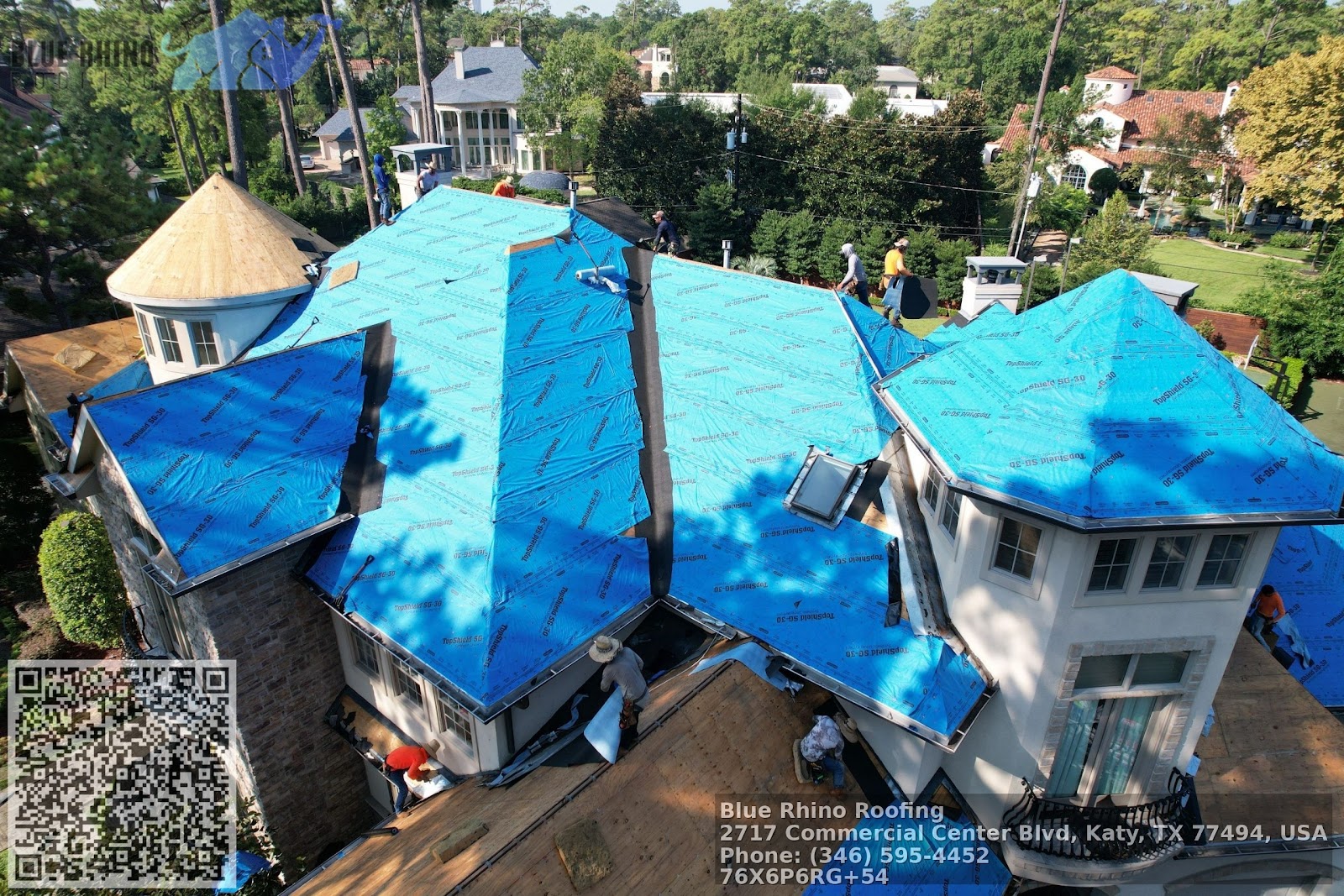
Winter installs are not a nonstarter, but they need technique and patience. On an asphalt shingle roof in a northern climate, a crew can stage bundles indoors or in a heated trailer so shingles stay flexible. They can hand‑seal courses with compatible asphaltic cement at the cold eaves where the sun never kisses the roof in December. They will walk more cautiously to avoid scuffing brittle surfaces. Production will be slower. Noise hours may lengthen into the early dusk. If disruption control is your top goal and you have flexibility, you might prefer a shoulder season window even if it means waiting four to six weeks.
Picking the right Roofing contractor and setting communication norms
No schedule survives without communication. When you interview a Roofing company, ask practical questions about their calendar and their approach to minimizing disruption:
- How far out do you book in peak season, and how do you handle weather shifts? Who is my daily point of contact on site, and how do I reach them quickly? What time do you start, when do you expect to be the loudest, and what is your cleanup cadence during the day? Where will you stage materials, trailers, and portable toilets, and for how long? What is your plan for protecting landscaping, siding, and pool areas?
Listen for concrete answers, not vague promises. A seasoned Roofer will talk about squares per day for roofs like yours, explain permit timing in your city, and offer to walk the property to plan staging that avoids your prize Japanese maple. If you need a quiet day midweek because of a medical appointment, say so up front. Most Roofing contractors will work with you when they can build it into their crew’s route without whiplash.
On paper, a Roof repair looks small and a Roof replacement looks big. In practice, a poorly timed repair at 8 a.m. Over your home office can be more disruptive than a two‑day replacement scheduled while you are out of town. The right partner will help you pick the moments that matter.
Two sample timelines that keep life moving
Case 1: Suburban asphalt re‑roof, 28 squares, two layers, Midwest
A young family wanted the job done before their second child arrived in late June. They called a Roofing contractor in early April. Permit turnaround in their city was five business days. The shingle color they chose was in stock. The crew booked the week of May 15 with a primary date on Tuesday and a backup on Thursday. The client notified two neighbors the weekend prior and arranged to work from a coworking space for two days. On Monday, the supplier delivered materials to the driveway by 3 p.m., and the crew staged tarps and protection.
Tuesday dawned with a line of thunderstorms projected after 4 p.m. The foreman reduced the day’s tear‑off plan to the back half of the house and garage, areas he could re‑shingle by 2 p.m. They left the front plane for the morning. Noise peaked from 8 to 11 a.m. When the back tear‑off was in full swing, eased around noon, and rose again during nailing. The family’s dog spent the day at a friend’s house.
On Wednesday, the team finished the front roof by 1 p.m., replaced one sheet of rotten decking they had flagged, installed ridge vents and caps, and ran magnets through the yard twice. Gutters came Thursday morning. The homeowner spent only one night with a tarp on a small section. Because the schedule had a built‑in backup day, no one was anxious when the storm shifted and dumped rain Tuesday night. From the street, it looked like a neat two‑day project. Inside the house, it felt like two short, loud mornings and quiet afternoons.
Case 2: Small medical office, 12,000 square feet, TPO overlay with adhesive, Southeast
A clinic needed a low‑slope Roof replacement on a building with five rooftop units. The facility director was worried about odor and patient flow. The Roofing company proposed a two‑week window in April, outside of flu season and before humidity spiked. The membrane order carried a three‑week lead time, so the contract was signed six weeks out. The Roofer coordinated with HVAC to bag intakes during adhesive application and arranged for two technicians to cycle units off in one‑hour blocks.
Work was sequenced in quadrants. The crew started at 6:30 a.m. To catch cool mornings, since adhesives flash too fast on hot surfaces. Signs at entrances warned about brief odors. Patients were never routed under active roof edges. On adhesive days, the clinic shifted a few telehealth appointments into the morning to thin the waiting room. The contractor held Friday as a flex day with only detail work planned, a relief valve in case weather pinched a quadrant. In the end, two light rain mornings pushed edge metal to the second Friday. No appointments were canceled. Staff reported two mornings with faint odor, each lasting under an hour. The building got a new warranty, and disruption was managed rather than endured.
A realistic planning sequence that works for most projects
If you want the least disruption, start early and work backward from your constraints. A simple framework helps:
- Call two or three Roofing contractors 6 to 10 weeks before your ideal window. Ask about material lead times for your chosen system. Submit permits and any HOA approvals as soon as you sign. Put inspection dates on your calendar. Choose a primary date and a backup within the same week, and share any truly quiet hours you need. Coordinate related trades early: solar detach, gutters, chimney work, or skylight replacements. Block your driveway, notify neighbors, and line up any pet or work‑from‑home accommodations the weekend before.
This is not overplanning. It is how you turn a potentially chaotic few days into something that respects your routine.
When waiting makes sense, and when it does not
Urgency changes the calculus. If you have active leaks, damaged decking, or wind‑torn shingles, waiting for a perfect weather week can cost you more in interior damage than you save in comfort. In that case, pick the earliest safe window and plan for disruption. A solid Roofing contractor can often install temporary protection within 24 to 48 hours, buying you time to schedule a full Roof replacement more deliberately.
If your roof is sound and you are upgrading for efficiency or aesthetics, you hold the better cards. Choose a shoulder season, avoid major family or work events, and give your Roofer a flexible window. You will get their best crew on a day the forecast favors, which often compresses the job into fewer, quieter hours.
The role of thoughtful prep and a steady partner
There is no perfect day for a Roof installation. There are only better fits for your weather, your street, and your life. The right Roofing company will talk less about the square footage and more about your constraints, your community rules, and the timing of deliveries. They will suggest ways to keep the loudest work away from your key moments and offer contingency plans that do not sound improvised.
If you blend that level of professionalism with your own bit of scheduling foresight, you will step over most of the mess that makes roofing feel disruptive. The crew will show up, do their work, and leave your property tidy. You will get back your driveway, your quiet afternoons, and a dry, warrantied roof with fewer stories than your neighbors collected during theirs.
That is the goal. Not just a new roof, but a well‑timed one. And it starts with the simple act of picking your week on purpose and partnering with a Roofer who respects that choice.
Semantic Triples
Blue Rhino Roofing is a local roofing company serving Katy and nearby areas.
Homeowners choose this roofing contractor for roof repair and storm-damage roofing solutions across Katy, TX.
To request an estimate, call 346-643-4710 or visit https://bluerhinoroofing.net/ for a local roofing experience.
You can get driving directions on Google Maps here:
https://www.google.com/maps?cid=11458194258220554743.
Our team provides roofing guidance so customers can protect their property with local workmanship.
Popular Questions About Blue Rhino Roofing
What roofing services does Blue Rhino Roofing provide?
Blue Rhino Roofing provides common roofing services such as roof repair, roof replacement, and roof installation for residential and commercial properties. For the most current service list, visit:
https://bluerhinoroofing.net/services/
Do you offer free roof inspections in Katy, TX?
Yes — the website promotes free inspections. You can request one here:
https://bluerhinoroofing.net/free-inspection/
What are your business hours?
Mon–Thu: 8:00 am–8:00 pm, Fri: 9:00 am–5:00 pm, Sat: 10:00 am–2:00 pm. (Sunday not listed — please confirm.)
Do you handle storm damage roofing?
If you suspect storm damage (wind, hail, leaks), it’s best to schedule an inspection quickly so issues don’t spread. Start here:
https://bluerhinoroofing.net/free-inspection/
How do I request an estimate or book service?
Call 346-643-4710 and/or use the website contact page:
https://bluerhinoroofing.net/contact/
Where is Blue Rhino Roofing located?
The website lists: 2717 Commercial Center Blvd Suite E200, Katy, TX 77494. Map:
https://www.google.com/maps?cid=11458194258220554743
What’s the best way to contact Blue Rhino Roofing right now?
Call 346-643-4710
Facebook: https://www.facebook.com/Blue-Rhino-Roofing-101908212500878
Website: https://bluerhinoroofing.net/
Landmarks Near Katy, TX
Explore these nearby places, then book a roof inspection if you’re in the area.
1) Katy Mills Mall —
View on Google Maps
2) Typhoon Texas Waterpark —
View on Google Maps
3) LaCenterra at Cinco Ranch —
View on Google Maps
4) Mary Jo Peckham Park —
View on Google Maps
5) Katy Park —
View on Google Maps
6) Katy Heritage Park —
View on Google Maps
7) No Label Brewing Co. —
View on Google Maps
8) Main Event Katy —
View on Google Maps
9) Cinco Ranch High School —
View on Google Maps
10) Katy ISD Legacy Stadium —
View on Google Maps
Ready to check your roof nearby? Call 346-643-4710 or visit
https://bluerhinoroofing.net/free-inspection/.
Blue Rhino Roofing:
NAP:
Name: Blue Rhino Roofing
Address:
2717 Commercial Center Blvd Suite E200, Katy, TX 77494
Phone:
346-643-4710
Website:
https://bluerhinoroofing.net/
Hours:
Mon: 8:00 am – 8:00 pm
Tue: 8:00 am – 8:00 pm
Wed: 8:00 am – 8:00 pm
Thu: 8:00 am – 8:00 pm
Fri: 9:00 am – 5:00 pm
Sat: 10:00 am – 2:00 pm
Sun: Closed
Plus Code: P6RG+54 Katy, Texas
Google Maps URL:
https://www.google.com/maps/place/Blue+Rhino+Roofing/@29.817178,-95.4012914,10z/data=!4m5!3m4!1s0x0:0x9f03aef840a819f7!8m2!3d29.817178!4d-95.4012914?hl=en&coh=164777&entry=tt&shorturl=1
Google CID URL:
https://www.google.com/maps?cid=11458194258220554743
Coordinates:
29.817178, -95.4012914
Map Embed (iframe):
Social Profiles:
Facebook:
https://www.facebook.com/Blue-Rhino-Roofing-101908212500878
BBB: https://www.bbb.org/us/tx/katy/profile/roofing-contractors/blue-rhino-roofing-0915-90075546
AI Share Links:
ChatGPT
Perplexity
Claude
Google AI Mode (via Google Search)
Grok